
The Truth About Standardized Tests in 2026: Ivy League Playbook Pt 4
A strong SAT or ACT score could be the fastest fix to your entire application


During COVID, most colleges went test-optional.
Everyone celebrated!!
Finally, I can get into an Ivy League school without a perfect SAT/ACT!!
The reality? That brief era is (largely) over.
Every top school (with the exception of Princeton and Columbia) requires a standardized test this year.
BUT– if your first reaction to that is dread, I’d like to offer a totally different way to think about it.
A strong SAT or ACT is – wait for it – one of the fastest ways to reframe your entire application.
I’ve seen students with uneven sophomore GPAs use a near-perfect test score to tell a completely different tale. One of growth. Of potential. Of “look at what I can actually do when I’m focused.”
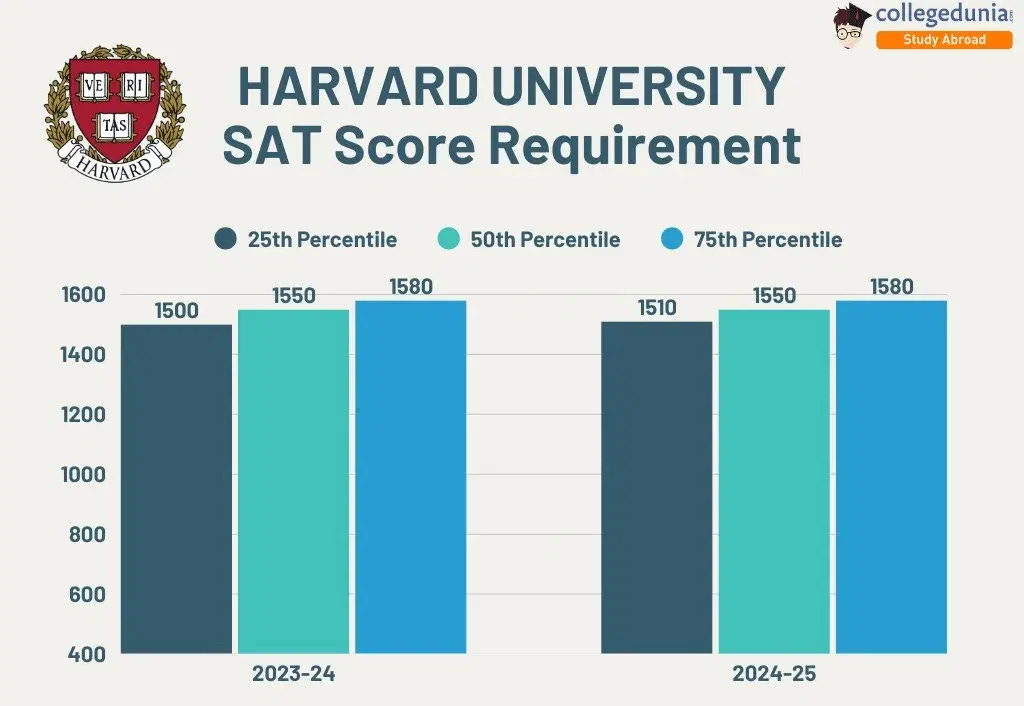
Colleges don’t just read a number. They read context. A 1550 from a student at an underfunded public school who took it for the first time carries different weight than the same score from a prep school in Connecticut.
Same logic applies for international applicants; in fact, having a good score could be the singular factor that gets you in. Especially since you’ll be compared to other kids in your country who might not speak English as a first language. Again, admission officers would never directly compare test scores of a student from India/Pakistan vs. an Indian-American student based out of Texas or New Jersey.
Onto some practical advice (especially helpful for rising juniors or younger):
Take one full practice test for the SAT and one for the ACT, timed, using official materials.
Go with whichever one you naturally score higher on.
Do NOT prep for both. I get this question almost every single week, and trust me, it’s a complete waste of time to study for both tests.
Then take five to six more practice tests in the two to three weeks before your actual test date.
Treat it like game day, and remember that superscoring exists. (Schools will combine your best section scores across different test dates, so taking it more than once isn’t just okay — it’s pretty much standard practice).
And if your score isn’t where you want it yet… the Additional Information section of the Common App exists for a reason!
Limited test centers near you?
Long travel to a testing site?
A rough test day with documented context?
Use the 350 characters you have to say so plainly. Admissions officers are reading for potential, not perfection.
Even better if your guidance counselor can back you up in their rec letter and say the reason your score wasn’t great was due to some outside circumstance beyond your control.
Ultimately, the students who struggle most with testing are often the ones who treat it as a fixed verdict on their intelligence.
It isn’t.
It’s a skill, and like any skill, it responds to the right preparation.
At the end of the day, the SAT & ACT are just one metric in a broader “Academic” category.
Colleges, of course, will also take into account not just your GPA, but also:
The difficulty of your transcript, as well as the ranking/rigor of your school
The trajectory/trend of your GPA over time
AP / IB Scores
Whether or not you have any academic honors, awards and/or published research
Whether or not you switched schools or suffered some kind of physical injury, which may have impacted you studies
If you want to know exactly where you stand in the college admissions game, check out our free rubric here! → elevated.school/getstarted
Until next time, Kevin @ ElevatEd
P.S. If you have a 1550+ on your SAT or a 33+ on your ACT… no, trust me, you do NOT need to retake the exam. That’s already top 1%. Please spend your time and mental energy working on your essays and brag sheets/rec letters (which account for ⅓ of your entire college application!!)